Kitchen Appliances · 5 min read
Mixer Grinder vs Wet Grinder: Which Does Your Kitchen Need?
Mixer grinder or wet grinder? Compare them for idli and dosa batter, chutneys and masalas, with advice on wattage, jar count, drum size and brands.
By Ramachandhraa Stores, Sullurupeta · Updated
Quick answer
Choose a wet grinder if you make idli and dosa batter often or in large batches, since its slow stone grinding handles big batches with little attention. A mixer grinder is the everyday tool for chutneys, masalas and powders, and a 750 W model can manage small batches of batter. Many South Indian kitchens use both.
In most South Indian kitchens the real question is not mixer grinder or wet grinder, but whether you need both. A mixer grinder handles chutneys, masalas and spice powders in minutes. A wet grinder is built for idli and dosa batter in quantity. The right choice depends on how often you grind batter and how much you make at a time.
This guide compares the two, explains the wattage, jar and drum-size options in our kitchen appliances range, and lists the brands we carry.
How each one works
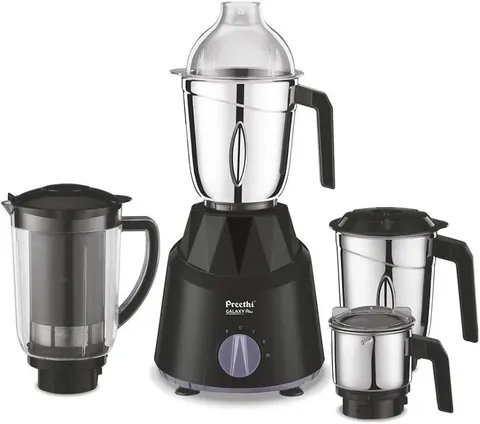
- Mixer grinder: a fast motor spins steel blades inside a jar. It works in short bursts, sits compactly on the counter and comes with several jars for wet and dry jobs.
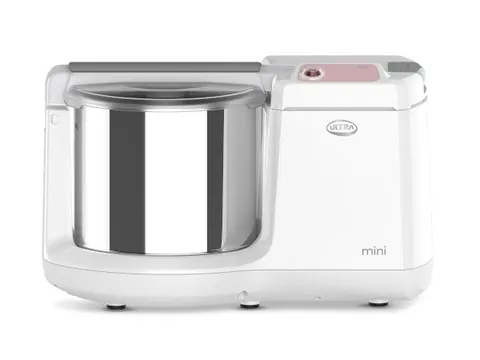
- Wet grinder: a slower motor turns a drum while stone rollers grind soaked rice and urad dal against a stone base. It takes longer but needs little attention once loaded, and the slow action keeps the batter from heating up much.
Many cooks feel that stone-ground batter ferments well and gives softer idlis, which is why wet grinders remain common in homes that make batter often.
Mixer grinder vs wet grinder at a glance
| Feature | Mixer grinder | Wet grinder |
|---|---|---|
| Best for | Chutneys, masala pastes, spice powders, small batches of batter | Idli, dosa and vada batter in larger batches |
| How it grinds | Fast steel blades in a jar | Stone rollers in a turning drum |
| Options in our range | 550 W, 600 W, 750 W and 1000 W; 3 or 4 jars | 1.25 L, 2 L and 2.5 L |
| Brands we carry | Preethi, Panasonic, Ultra, Greenchef, Vidiem | Butterfly, Ultra |
| Running time | Short bursts | Longer, mostly unattended runs |
| Noise | Loud, but only for short spells | Quieter, but runs for longer |
| Counter space | Compact | Larger and heavier |
Choosing a mixer grinder
Wattage
- 550–600 W: light daily work for a small household, such as chutneys, small masala batches and small amounts of dry spices.
- 750 W: a common all-rounder for Indian cooking that handles daily chutneys and masalas and occasional small batches of batter.
- 1000 W: for larger families, or for frequent heavy grinding and bigger loads.
Higher wattage helps with heavy loads, but jar shape and blade design matter as much, so compare models in hand. Our mixer grinder range runs from 550 W to 1000 W, with models from Preethi, Panasonic, Ultra, Greenchef and Vidiem.
Jars
- 3 jars: usually a large wet jar for batter and gravies, a medium dry jar for spices, and a small chutney jar.
- 4 jars: adds a fourth jar, which depending on the model may be a juicer jar or an extra jar for a particular job. Check what is in the box.
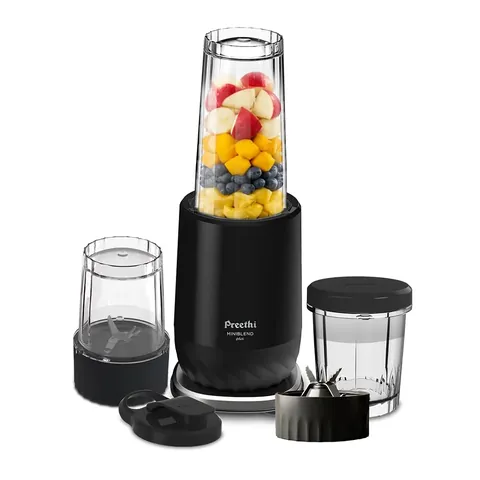
For smoothies and single-serve drinks, a nutri blender is a separate, simpler option.
Good habits
- Don't fill a jar above its maximum mark.
- Let hot ingredients cool before grinding.
- Run the motor in short bursts with pauses, as your manual advises, rather than for long stretches.
- Unplug the mixer before cleaning or touching the blades.
- Wash the jars and lids after use and dry them upside down. Never put the motor unit in water; wipe it with a damp cloth.
Choosing a wet grinder
Choose by how much batter you make at a time. As rough guidance:
- 1.25 L: two or three people, or batter a couple of times a week.
- 2 L: a family of four or five.
- 2.5 L: larger families, or anyone who grinds batter for several days at once.
Our wet grinder range covers all three sizes, with models from Butterfly and Ultra. Whichever you choose:
- Soak rice and urad dal as your recipe says, usually separately.
- Add water gradually while grinding.
- Never load beyond the capacity the manufacturer states.
- Clean the drum, rollers and lid right after use, before batter dries on the stone.
- Never put the motor base in water; wipe it with a damp cloth.
- Dry all parts fully before reassembling.
Do you need both?
- Both make sense if you make idli or dosa batter several times a week, grind in large quantities, or cook for a big family.
- A mixer alone is enough if you make batter only occasionally. A 750 W or more powerful mixer with a large wet jar can manage small batches; grind in portions, pause between runs and use cold water so the batter stays cool.
- Start with a mixer if counter space is tight. Most kitchens use one daily for chutneys and masalas, and you can add a wet grinder later.
Read the manual first
Every mixer and wet grinder comes with a manufacturer's manual that sets out the right load for each jar or drum, how long to run the motor at a stretch, and how to clean it. Warranty terms are set by the brand, so keep the manual and any warranty card from the box safe with your bill, and follow the maker's instructions.
Talk to us before you buy
Mixers and grinders are easier to choose in person, where you can compare jar sizes and how solid each machine feels. Visit Ramachandhraa Stores on Gandla Street, opposite SBI Bank, Sullurupeta, Tuesday to Sunday from 9 AM to 9 PM, or WhatsApp +91 90807 22578 with your questions. You can also browse all the brands we carry.