Kansa & Bronze Utensils · 5 min read
Kansa vs Brass vs Copper: Choosing Traditional Metal Utensils
Kansa (bell metal), brass and copper compared: what each is made of, best uses, foods to avoid in unlined vessels, tin lining (kalai), care and gift ideas.
By Ramachandhraa Stores, Sullurupeta · Updated
Quick answer
Kansa is bell metal, a bronze of copper and tin, traditionally used for thalis and serving; brass, an alloy of copper and zinc, suits pooja items and tin-lined cooking pots; copper is best kept for drinking water. Never cook or store sour or salty food in unlined brass or copper.
Kansa, brass and copper are all copper-based metals with a warm glow, and they sit side by side in many Indian kitchens and pooja rooms. They behave quite differently, though. Choosing well comes down to three questions: what the metal is made of, what you will put in it, and how much care you are happy to give.
Here is how the three compare, which foods to keep out of unlined vessels, what tin lining (kalai) does, how to care for each metal, and which pieces make good gifts.
What each metal is made of
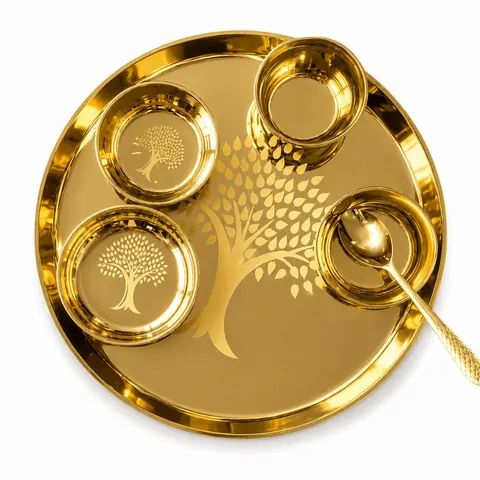
- Kansa (kanchu in Telugu) is bell metal, a bronze made from copper and tin. Traditional bell metal is roughly four parts copper to one part tin, though the mix varies between makers. It is hard, has a soft golden sheen, and well-made pieces are known for a clear, ringing note when tapped. Our kansa range includes thalis, kadais and handis.
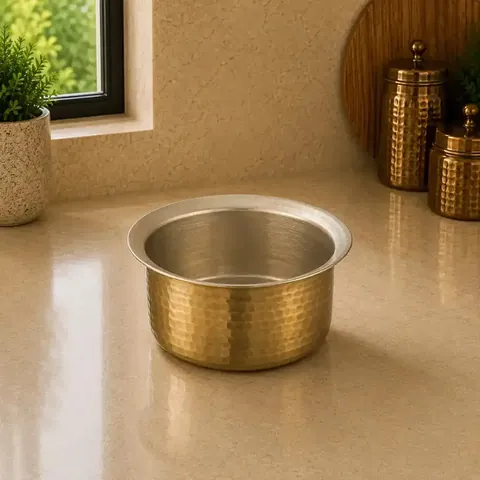
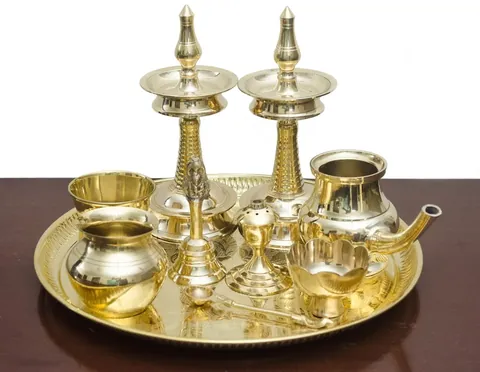
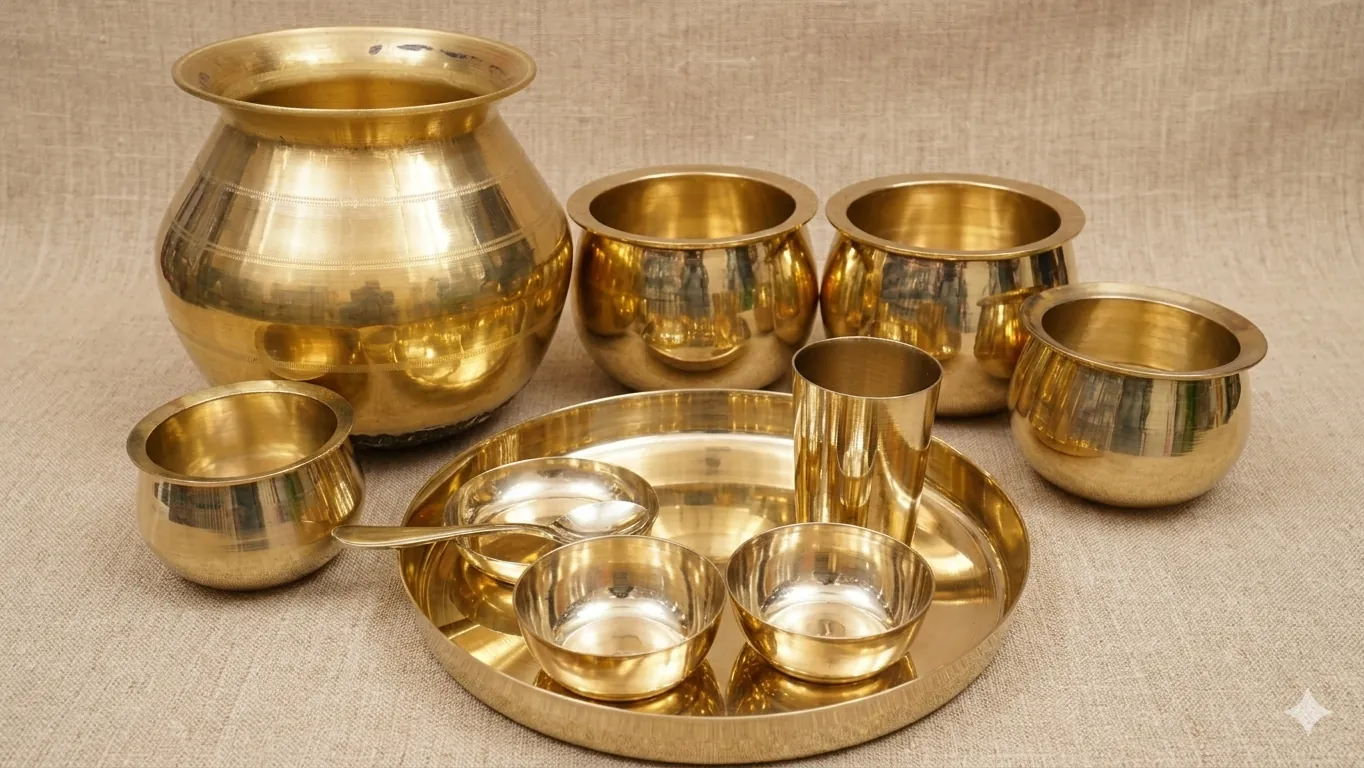
- Brass (ittadi) is an alloy of copper and zinc, in proportions that vary by grade. It is a brighter yellow and easy to shape and cast, which is why it is used for so many vessels, lamps and idols.
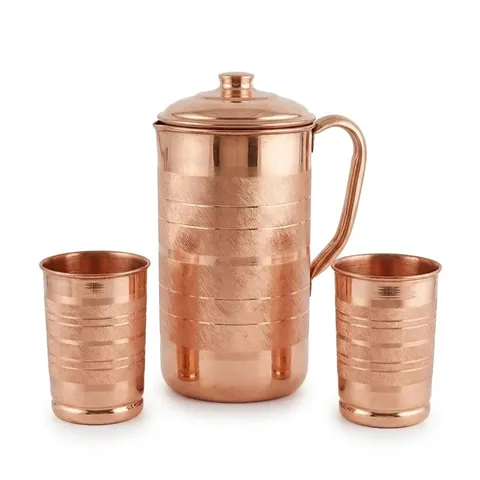
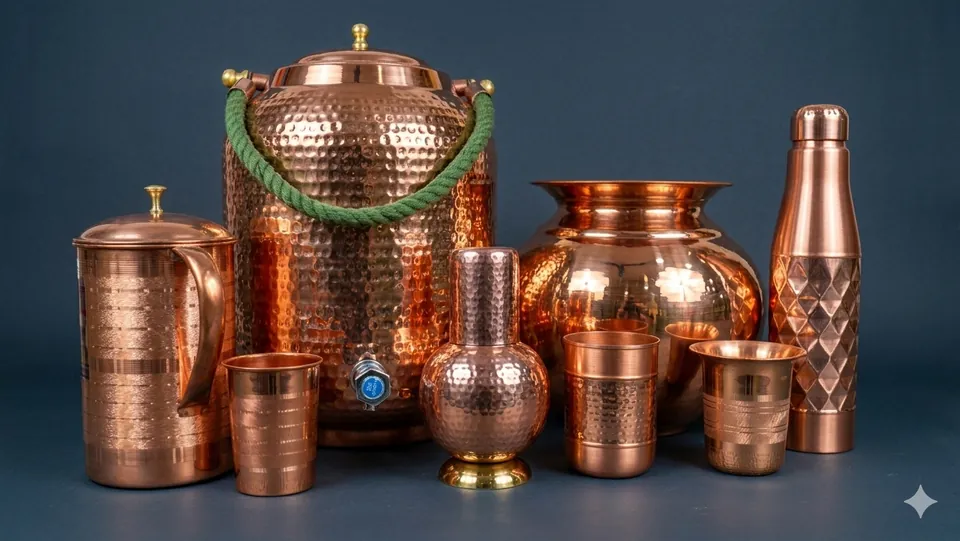
- Copper (raagi) is the pure metal: reddish, relatively soft and an excellent conductor of heat. In most homes today it is used for drinking water, in bottles, jugs, glasses and surahis.
Kansa, brass and copper compared
| Feature | Kansa (bell metal) | Brass | Copper |
|---|---|---|---|
| Made of | Copper and tin | Copper and zinc | Copper |
| Telugu name | Kanchu | Ittadi | Raagi |
| Typical uses | Thalis, bowls, serving; kadai and handi | Cooking pots (traditionally tin-lined), pooja items, idols | Drinking water: bottles, jugs, glasses, surahis |
| Sour or salty food | Serve and eat, but don't store | Only with an intact tin lining | Avoid; water only |
| Main care point | Hand-wash, dry at once, don't drop | Re-tin when the lining wears through | Clean the inside regularly with lemon and salt |
Foods to keep out of unlined vessels
Copper and brass react with acids and salt. In an unlined pot, sour or salty food can pick up a metallic taste and draw metal into the food, and longer contact and higher heat make the reaction worse. Keep these out of unlined copper and brass:
- tamarind gravies, rasam and sambar
- tomato-based dishes
- curd, buttermilk and lassi
- lemon, raw mango and other sour fruit
- pickles, and any salty, sour preparation
Move leftovers to steel, glass or stone containers, and keep unlined copper for drinking water only. Many families eat everyday meals from kansa thalis; the sensible habit is to serve, eat and wash promptly rather than store food in kansa.
Tin lining (kalai): what it is and when to redo it
Brass and copper cooking vessels are traditionally lined on the inside with a thin coat of tin, a process known as kalai. The silvery lining keeps sour and salty food away from the base metal.
- Ask before you buy. Whether a particular vessel is tin-lined depends on the piece, so check with us if you plan to cook sour dishes in it.
- Watch for wear. Kalai wears with use and scrubbing. When yellow brass or red copper shows through the silver, have it re-tinned by a kalaiwala before cooking sour food in it again.
- Never heat it empty. Tin melts at about 232°C, far below steel, so a tin-lined vessel should not sit on a high flame without food or liquid in it.
- Be gentle. Use wooden spatulas and soft scrubbers on the lining. A dull grey colour on old tin is normal.
Caring for each metal
Kansa
Wash by hand with mild soap, rinse and dry straight away with a soft cloth to prevent water marks. To brighten dull kansa, rub it with tamarind or lemon and a little salt, then rinse and dry. Avoid steel wool and harsh powders, which scratch. Bell metal is hard but brittle, so a fall on a stone floor can crack it; store kansa thalis where they will not be knocked down. Use a kansa kadai or handi on a low to medium flame and let it cool before washing.
Brass
Wash after use and dry promptly. Polish the outside occasionally with lemon or tamarind and salt, then rinse and dry. For brass with an antique finish, skip the acid and use a soft dry cloth, because polishing removes the antique effect. A brass tope, kadai or handi that you cook in also needs the tin-lining care above.
Copper
Rinse daily and clean the inside about once a week with lemon or tamarind and salt, then rinse thoroughly and dry it upside down. Nickel-plated, antique-coated and colour finishes need only mild soap on the outside.
Gifting ideas
- Housewarming (gruhapravesam): a copper water jug with copper glasses, or a brass pooja set in small, medium or large.
- Weddings: a set of six kansa thalis, or a brass tope or handi for the new kitchen.
- Festivals and return gifts: small brass idols, available from 1 to 6 inches in plain and antique finishes, or a pair of copper glasses.
Hold all three before you decide
The quickest way to feel the difference between kansa, brass and copper is to hold them. Our family has spent 45 years in this trade, and we are glad to help you compare. Visit Ramachandhraa Stores on Gandla Street, opposite SBI Bank, Sullurupeta, or WhatsApp +91 90807 22578 to ask whether a particular vessel is tin-lined before you visit. If you have old vessels at home that you no longer use, see how our old utensil exchange works.