Soapstone & Marble Cookware · 5 min read
How to Season and Care for a Soapstone Kalchatti
Common ways to season a new soapstone kalchatti, kadai or urli, how to heat it without cracking, everyday cleaning, and care for stone and marble mortars.
By Ramachandhraa Stores, Sullurupeta · Updated
Quick answer
A new soapstone kalchatti is usually seasoned before first use: soak it in rice water, dry it, coat it with oil and turmeric, then simmer water in it slowly on a low flame. Methods vary, so follow the seller's advice. Always heat it gradually and avoid sudden temperature changes, which can crack the stone.
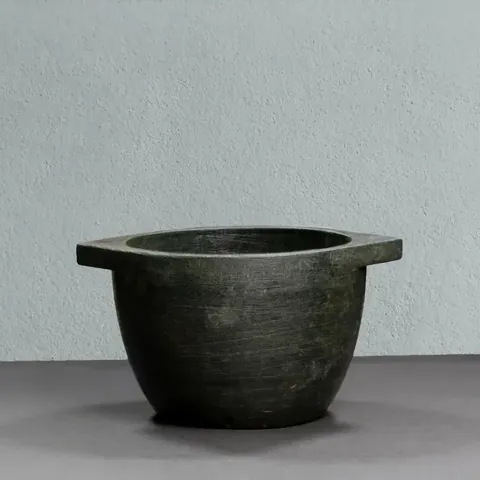
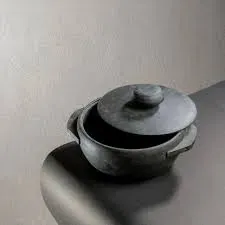
A soapstone kalchatti is a heavy stone pot that heats slowly and holds that heat long after the flame is switched off. Soapstone is generally regarded as non-reactive, which is why the kalchatti is a traditional choice for tamarind-based kuzhambu, keerai and slow-cooked dal. The same stone can crack if it is heated fast or cooled suddenly, so a new piece is usually seasoned before its first use and handled gently afterwards.
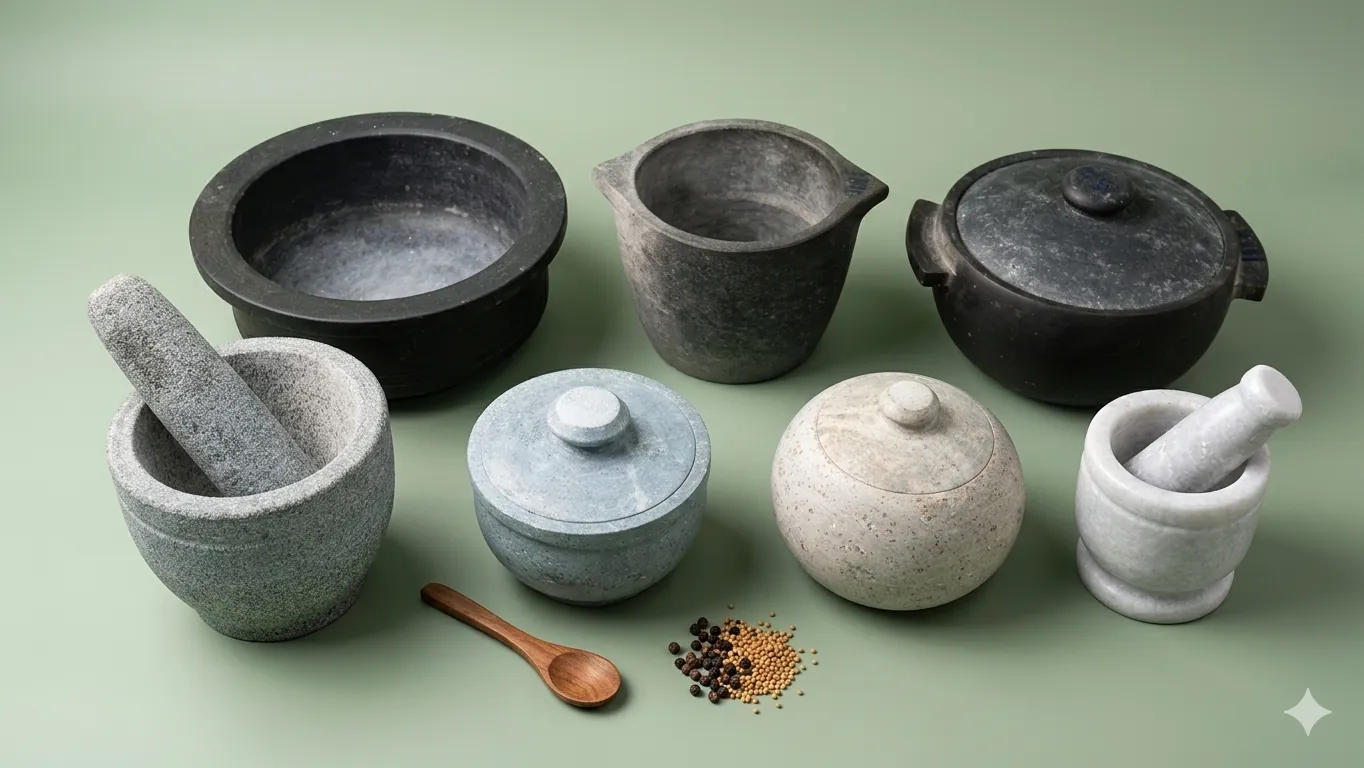
This guide covers seasoning, safe heating, cleaning, and the care of stone and marble mortars. It applies to the kalchatti, kadai and urli in our soapstone and marble cookware range.
Before you start: methods vary
There is no single standard way to season soapstone. Families, regions and makers each have their own routine, and some vessels are sold already treated. If your kalchatti came with instructions, or the seller has advised a method, follow that first. The steps below bring together the most common practices. Traditionally, seasoning is believed to strengthen the stone and help it resist absorbing oil and smells.
A common way to season a new kalchatti
- Wash the vessel in plain water with a soft cloth to remove stone dust. It is common advice to skip soap for this first wash.
- Soak it in rice-washed water (the cloudy water left after rinsing rice) or in plain water for a day or two. Some families soak it longer.
- Dry it completely, inside and out.
- Oil it all over. Gingelly (sesame) oil and castor oil are both commonly used, often mixed with a little turmeric powder. Leave the coat on for about a day.
- Heat slowly. Fill the vessel about three-quarters with water or rice water, set it on the smallest burner and bring it to a gentle simmer on the lowest flame. Let it simmer for a while, then switch off and let it cool on the stove.
- Repeat if you like. Many people repeat the oil-and-simmer stage two or three times. Then wash it, dry it, and start with simple dishes such as dal or kootu.
Heating it safely
Soapstone asks for one rule above all: change its temperature slowly.
- Start every cook on the lowest flame and raise it gradually. Low to medium heat is enough for almost everything.
- Keep the flame small and centred under the base, and don't let it lick up the sides.
- Add oil or water before heating, rather than heating the vessel empty.
- Add warm water, not cold, to a hot kalchatti.
- Set a hot vessel on a wooden board, a folded cloth or a ring stand, never on a wet floor or cold stone counter.
- Don't move it from the fridge straight to the flame; let it come to room temperature first.
- Switch off a few minutes early. The stone keeps cooking after the flame is off.
- Use it on gas. Soapstone is not magnetic, so it will not heat on an induction stove on its own.
Soapstone is also fairly soft. Use wooden spatulas, since metal ladles can scratch it, and lift a full soapstone kadai with both hands.
Everyday cleaning
- Let the vessel cool on its own before washing. Washing a hot kalchatti in cold water is a common cause of cracks.
- Wash with warm water and a soft scrubber. A little mild dishwash liquid is fine after oily dishes, though many families prefer plain water, or a paste of rice flour or gram flour (besan), to lift grease.
- For stuck food, soak briefly in warm water and loosen it with a wooden spatula. Don't leave the vessel soaking in soapy water for hours.
- Avoid steel wool and abrasive powders.
- Dry it completely before putting it away, and store it where it will not be knocked.
- If it looks dry or pale after some months, rub on a thin coat of oil and let it soak in.
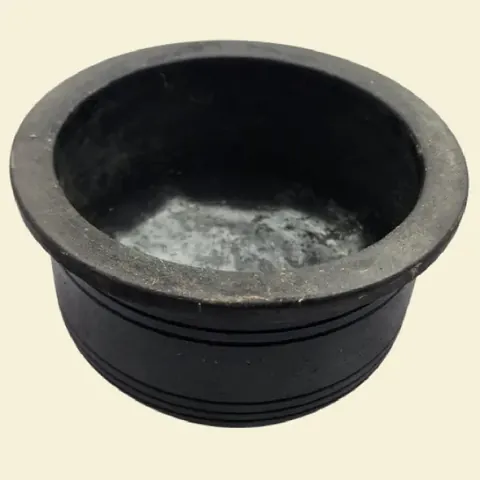
The same care suits a soapstone urli. Its wide, shallow shape spreads food in a thin layer, so keep the flame low and centred and let the base warm evenly. Soapstone storage jars are not heated; wash them, dry them fully before filling, and use a dry spoon.
Caring for stone and marble mortars
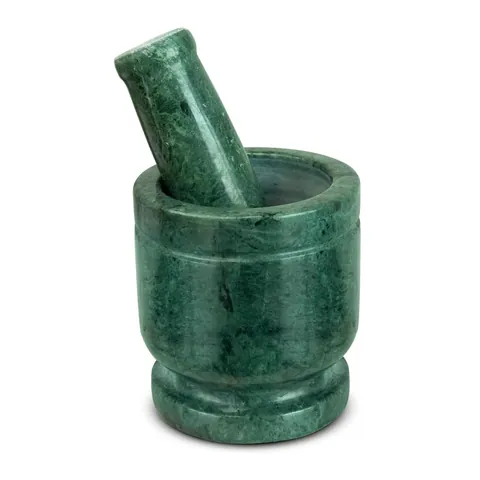
A marble mortar and pestle or a soapstone mortar and pestle is handy for crushing ginger, garlic, pepper and cardamom. A little care keeps it clean and free of cracks.
- Before first use, many people grind a small handful of raw rice, discard it, and repeat until the powder comes out clean. This clears loose grit from the surface.
- Rinse right after use with water and a brush. Use mild soap only when needed, and rinse it off well.
- Keep acids brief in marble. Marble is etched by lemon, tamarind and vinegar, so rinse soon after crushing anything sour.
- Watch for stains. Turmeric and oily masalas can stain light marble if left to sit.
- Dry fully before storing, and avoid dropping it; both stones can chip or crack.
Visit us in Sullurupeta
Soapstone pieces vary in size and weight, so it helps to lift a few before you choose. Visit Ramachandhraa Stores on Gandla Street, opposite SBI Bank, Sullurupeta, Tuesday to Sunday from 9 AM to 9 PM, or WhatsApp +91 90807 22578 to ask about seasoning a particular piece. Directions are on our visit page.